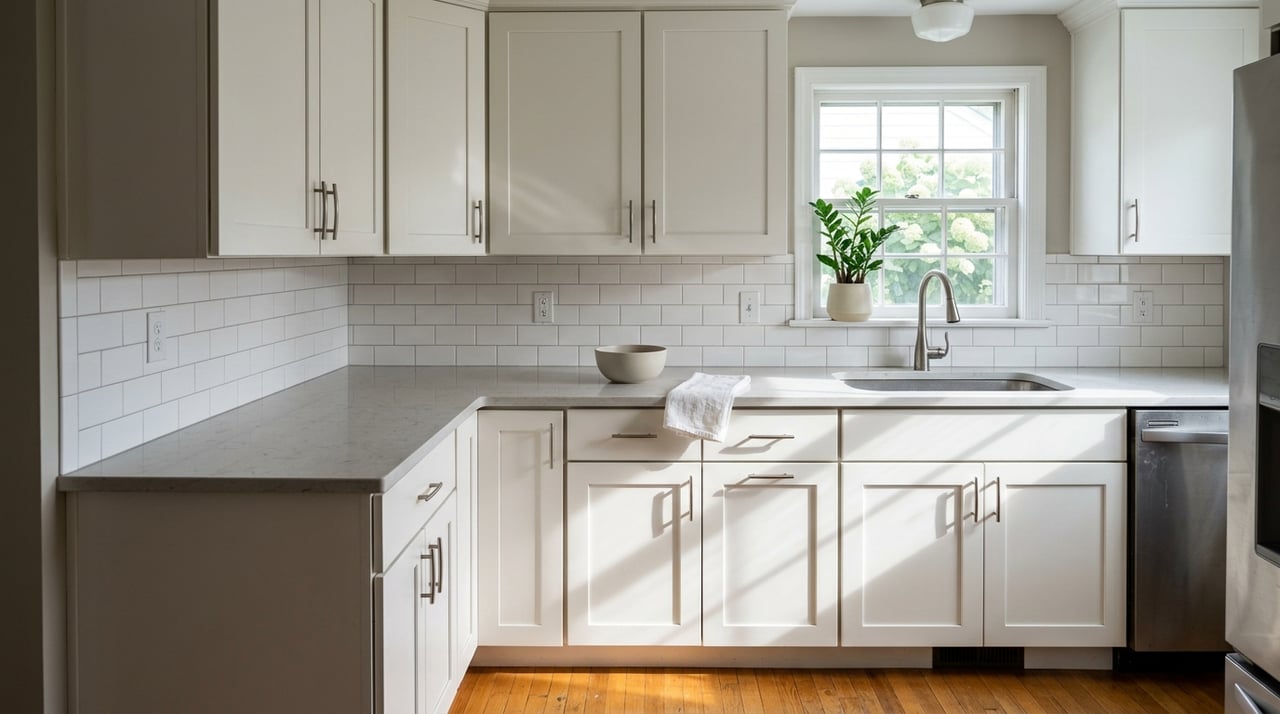
If you’re getting ready to sell your Cranston home, you do not need perfection. You need a smart plan that helps buyers feel confident from the moment they see your photos to the moment they walk through the door. In a market where homes in Cranston sold in about 33 days at a 100.5% sale-to-list ratio in February 2026, presentation can shape early interest quickly, so it pays to focus on the updates that matter most. Let’s dive in.
Why prep matters in Cranston
Cranston continues to look like a relatively active seller market. According to Redfin’s Cranston housing market data, the median sale price was $470,000 in February 2026, homes averaged about two offers, and many sold close to or above list price.
That does not mean you can skip prep. It means buyers are likely noticing condition, cleanliness, and maintenance right away in photos and during early showings, especially in a city with a large owner-occupied housing base and many single-family homes, as shown in the Rhode Island Department of Housing report.
The good news is that small improvements often go further than major renovations. The National Association of Realtors’ 2025 staging report found that decluttering, whole-home cleaning, and curb appeal were the most common recommendations from agents, and many sellers saw staging help reduce time on market.
Focus on doubt reduction
When I help sellers think through prep, the goal is simple: reduce buyer doubt. You want a buyer to walk in and feel that the home has been cared for, not start building a mental list of projects.
That usually means putting your time and budget into cleaning, decluttering, light touch-ups, and maintenance items buyers can see or sense right away. It usually does not mean starting a full remodel right before you list.
Start with curb appeal
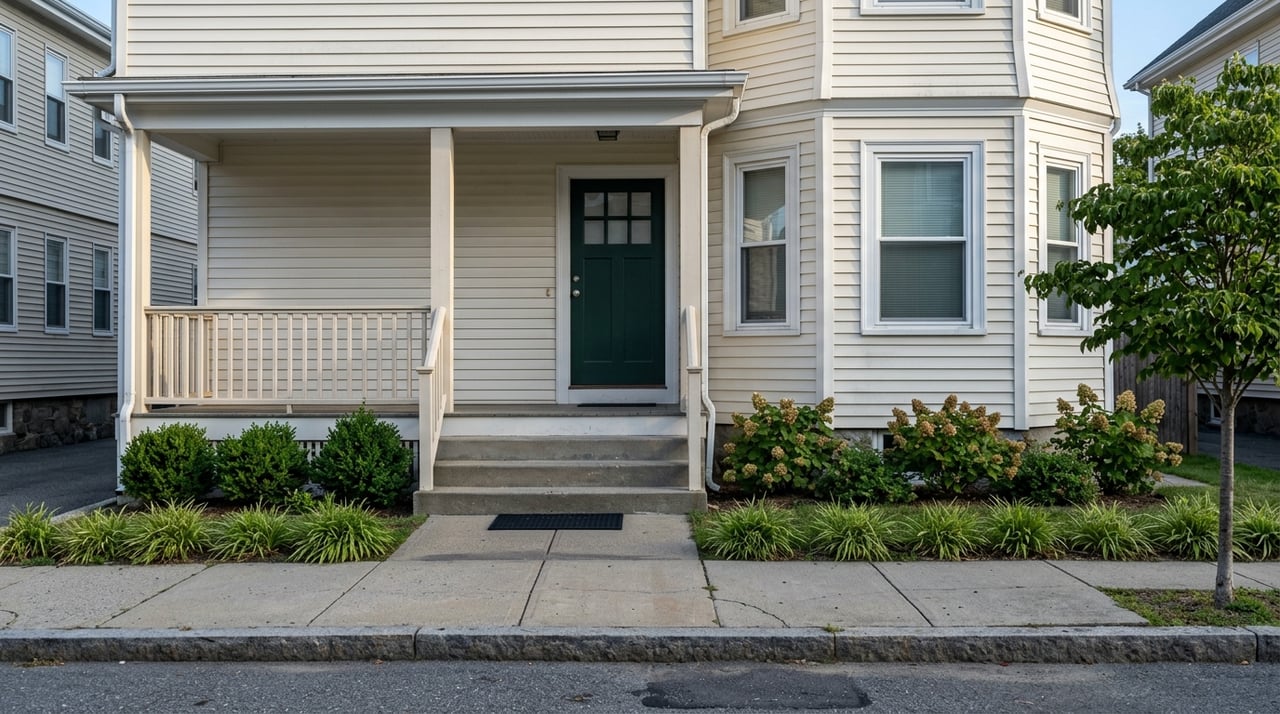
Your exterior sets the tone before buyers ever step inside. In Cranston, where Providence County can see 40 to 60 inches of snowfall annually, it also makes sense to pay close attention to drainage, walkways, gutters, and roof edges.
Use this exterior checklist before photos and showings:
- Mow and edge the lawn
- Trim shrubs and remove yard debris
- Sweep porches, steps, and walkways
- Wash visible siding or porch surfaces
- Clean gutters and downspouts
- Touch up peeling paint or loose trim
- Make sure the driveway and entry path are clear and easy to access
This lines up with HHS healthy home guidance, which recommends maintaining gutters, downspouts, roofs, and exterior surfaces while fixing visible holes, cracks, and leaks.
Declutter the main living spaces
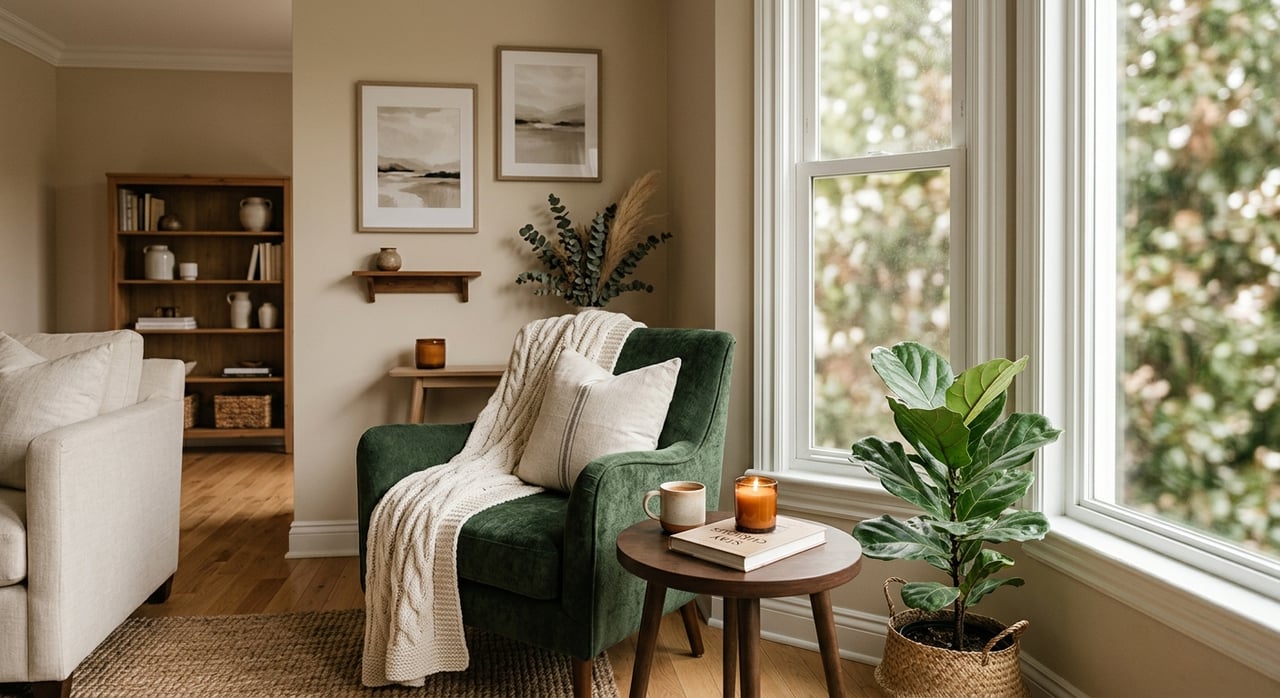
Inside the home, clear sightlines matter. The NAR report found that the living room is the most important room to stage, and that listing photos are one of the most important parts of marketing.
Start by removing extra furniture, visible cords, piles of mail, and anything that makes the room feel crowded. You want each room to feel open, functional, and easy to understand in a photo.
For your entry, living room, and dining area, use this quick checklist:
- Remove or store oversized furniture
- Clear floor clutter and visible cords
- Open blinds or curtains to let in light
- Add simple lamps where rooms feel dim
- Put away personal items and excess décor
- Create one clear purpose for each room
You do not need a redesign. In most homes, a cleaner layout and brighter presentation do more for buyer perception than expensive style updates.
Clean up kitchens and bathrooms
Kitchens and bathrooms tend to draw a lot of attention in showings and listing photos. Buyers notice countertop clutter, stained grout, slow leaks, and signs of moisture almost immediately.
In the kitchen, focus on function and cleanliness first. HHS guidance specifically recommends fixing leaks and using a kitchen exhaust fan that vents outside.
Kitchen checklist
- Clear off most countertop items
- Deep-clean appliances and cabinet fronts
- Wipe down backsplash and sink fixtures
- Fix visible leaks under the sink
- Empty trash before every showing
- Confirm the exhaust fan is working properly
Bathroom checklist
- Scrub tile, grout, and glass
- Replace worn caulk where needed
- Fix dripping faucets or running toilets
- Address visible moisture or mold safely
- Test the exhaust fan
- Clear vanity counters except for a few simple items
These spaces do not need to look brand new. They need to look clean, dry, well-maintained, and ready for the next owner.
Refresh bedrooms and closets
Bedrooms should feel restful and simple. The NAR report found that the primary bedroom is one of the top spaces buyers want staged, so this room deserves more than a quick tidy-up.
Make beds neatly, remove excess furniture, and keep surfaces mostly clear. In closets, organize clothing and storage so the space feels usable instead of overstuffed.
Bedroom checklist
- Use simple bedding and tidy pillows
- Remove bulky or extra furniture
- Clear nightstands and dressers
- Store off-season items
- Keep laundry out of sight
- Organize closets to show available space
If your home was built before 1978, check carefully for peeling or chipping paint around windows, trim, and bedroom walls. Rhode Island lead disclosure rules apply to many older one- to four-unit properties, and paid work that disturbs lead-based paint in pre-1978 homes must follow lead-safe requirements.
Do not ignore basement and utility areas
Basements, attics, and utility spaces may not be the prettiest parts of the house, but buyers often read them as clues about overall maintenance. That is especially true in an older housing market like Cranston, where the state housing report shows that 56% of owner-occupied units were built in 1959 or earlier.
These areas are worth a close look before listing:
Basement, attic, and utility checklist
- Look for signs of water intrusion or staining
- Check for roof leaks in the attic
- Replace HVAC filters
- Confirm the dryer vents outside
- Make sure stored items are organized
- Improve ventilation where possible
- Have gas appliances and furnaces checked if needed
Older housing can come with risks tied to moisture, air quality, poor thermal control, lead, and asbestos, according to the state report. That is one reason it helps to address visible issues before they become a buyer concern during inspections.
Know when to call a pro
Some prep items are simple weekend projects. Others cross into safety, permit, or contractor territory.
The Cranston Building Inspection Department says permits are required for many types of work, including alterations, demolition, occupancy changes, and certain repairs that are not considered ordinary maintenance. The city also notes that contractors working on another person’s home must be licensed or registered in Rhode Island.
Call a qualified professional if you notice:
- Roof damage or active leaks
- Structural cracks
- Electrical issues
- Plumbing alterations or persistent leaks
- Mold beyond minor surface cleanup
- Window replacement needs
- Roofing repair over 100 square feet
- Siding replacement or wall removal
And if your home was built before 1978 and prep work may disturb old paint, use a lead-safe certified contractor rather than standard DIY methods.
A simple prep timeline
If you want to make this easier, break the process into stages instead of trying to do everything at once.
Two to three weeks before listing
- Walk the home inside and out
- Make a repair list
- Declutter room by room
- Schedule any needed contractors
- Check older painted surfaces for peeling or chipping
One week before photos
- Finish touch-ups and cleaning
- Clear counters and surfaces
- Organize closets and storage spaces
- Tidy the yard and clean exterior entry points
- Replace burnt-out bulbs and brighten dark rooms
Before every showing
- Make beds
- Empty trash
- Wipe kitchen and bath surfaces
- Open blinds or curtains
- Turn on lights where needed
- Keep floors clear and pathways open
Keep your budget focused
If you are wondering where to spend money, the staging data points to the basics first. The NAR report noted median staging costs of $1,500 for professional services and $500 when the seller’s agent handled staging, which is one reason many sellers benefit more from targeted, low-cost improvements than from a major pre-listing remodel.
A smart seller budget often goes further when you prioritize:
- Decluttering
- Deep cleaning
- Curb appeal
- Light repairs
- Better room presentation for photos
That approach is practical, cost-aware, and aligned with how buyers actually experience your home online and in person.
If you’re preparing to sell in Cranston, the best next step is to start outside, move room by room, and stop when an issue becomes structural, electrical, plumbing-related, permit-related, or lead-related. That is where strategy matters. If you want a clear, numbers-driven plan for what to fix, what to leave alone, and how to position your home for the market, connect with Herson Martinez.
FAQs
What should Cranston sellers fix before listing a home?
- Focus first on decluttering, deep cleaning, curb appeal, visible maintenance items, leaks, moisture issues, and simple touch-ups that reduce buyer doubt.
What home staging updates matter most for a Cranston home sale?
- The most important updates are usually cleaning, decluttering, brightening main rooms, improving curb appeal, and making the living room, primary bedroom, and kitchen show well in photos.
What older-home issues should Cranston sellers check before selling?
- Sellers should pay close attention to peeling paint, moisture, roof leaks, ventilation, basement conditions, and other maintenance issues that are common in older housing stock.
What repairs in Cranston may need permits or licensed contractors?
- The city says work like certain alterations, wall removal, siding, plumbing or electrical changes, roofing repairs over 100 square feet, and replacement windows may require permits or qualified contractors.
What lead rules apply when selling an older Cranston home?
- For many one- to four-unit homes built before 1978, Rhode Island requires lead disclosures, an EPA pamphlet, a warning statement, and a 10-day opportunity for the buyer to conduct a lead inspection before becoming obligated.