Thinking about Pawtucket and wondering whether it feels more historic, creative, commuter-friendly, or practical? The truth is that it can be all of those at once. If you are considering a move here, it helps to understand how the city’s mill history, housing mix, and daily rhythm shape what living in Pawtucket really feels like today. Let’s dive in.
Pawtucket’s Story Still Shapes Today
Pawtucket’s identity starts with Slater Mill, which the National Park Service describes as the birthplace of the American Industrial Revolution and the first successful water-powered cotton spinning mill in the United States. That history is not just a local landmark story. It still shows up in the way the city looks, grows, and lives.
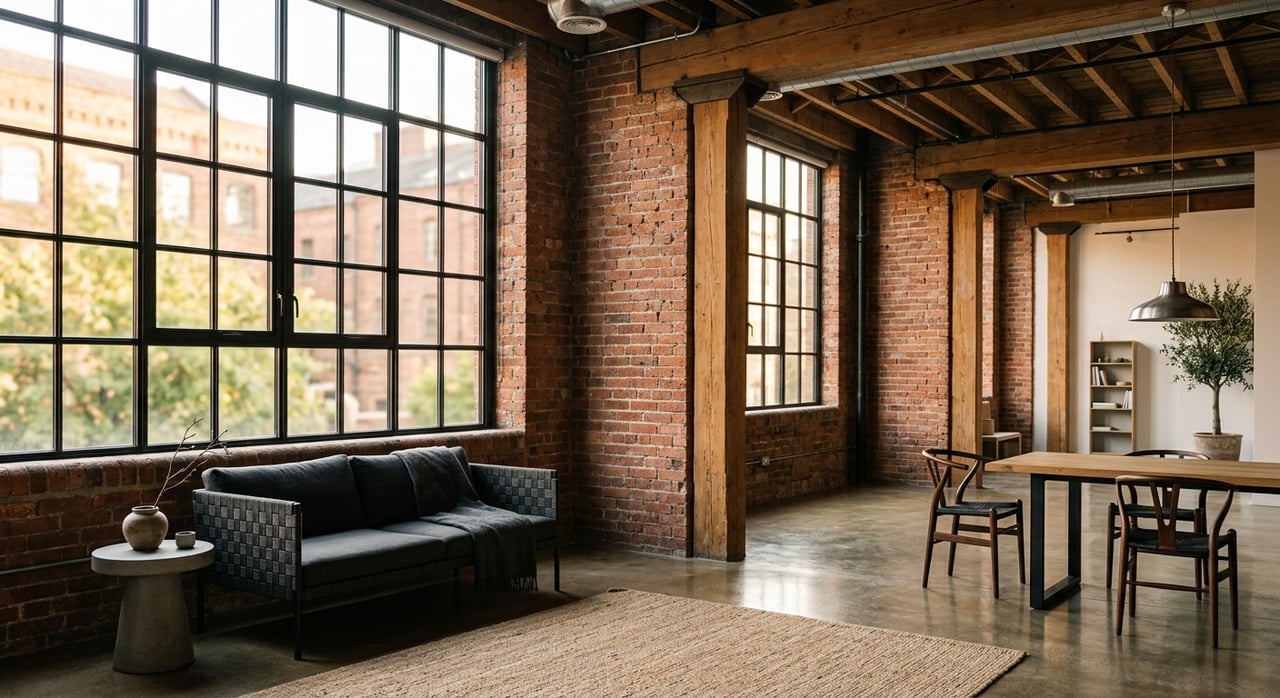
In Pawtucket, old mills are not simply relics from the past. The city says many of them now house businesses, restaurants, artists, and livable space. That mix is a big part of why Pawtucket feels distinct from communities built around newer subdivisions or large-scale master-planned development.
Mill Lofts and Older Homes
If you picture Pawtucket as a city of converted brick buildings and creative spaces, that image is partly true. Mill lofts and adaptive-reuse properties are closely tied to downtown, the arts district, and restored mill properties. These areas carry much of the city’s modern reuse story.
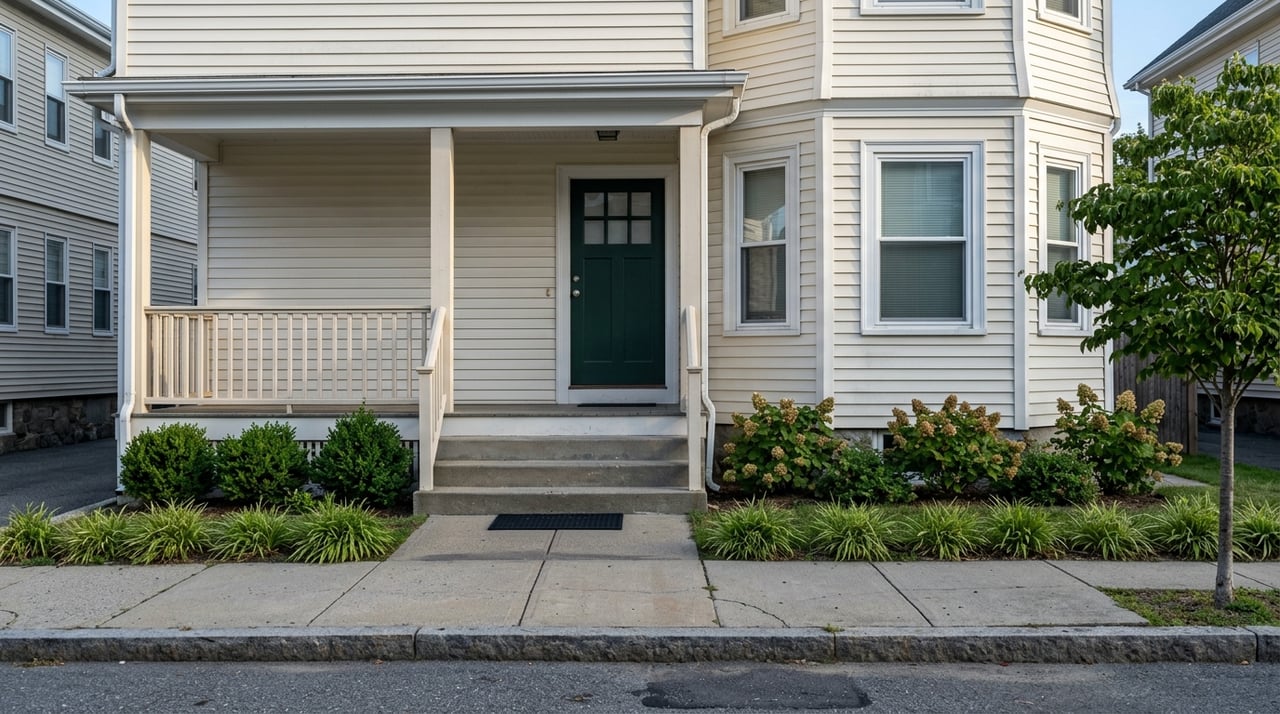
At the same time, loft-style housing is only one piece of the market. Pawtucket’s broader housing stock is dominated by older homes and smaller multi-unit buildings rather than large new construction neighborhoods. If you are searching here, you are much more likely to compare a traditional house, a two- to four-family property, and a renovated building than to tour rows of brand-new homes.
What Housing You’ll Find
According to the city’s draft 2025-2029 Consolidated Plan, Pawtucket had 31,036 occupied housing units and a 6.9% vacancy rate. The same plan says 40.9% of the stock is in small 2-4 unit buildings, 33.8% is single-family detached, and 84.3% of all units were built before 1980. That tells you a lot about the city before you even start a home search.
For buyers, this means you should expect older housing stock, varied layouts, and property-by-property differences in condition and updates. For house hackers and early investors, Pawtucket stands out because two- to four-family homes make up such a meaningful share of the market. For sellers, it means pricing often depends heavily on condition, location, and how a specific property compares to nearby homes of a similar age and style.
Common property types in Pawtucket
- Mill lofts and adaptive-reuse spaces, especially near downtown and restored mill buildings
- Two- to four-family homes that are a major part of the city’s traditional residential fabric
- Detached single-family homes in older residential areas
- Larger apartment buildings near commercial corridors and the Growth Center District
Pawtucket Price Points Vary
One of the biggest mistakes you can make is assuming Pawtucket has one simple price point. It does not. Research snapshots show a city with multiple price bands depending on neighborhood and property type.
Recent data in the research report shows Pawtucket’s median sale price at $438,000 in March 2026, while the city’s draft plan cited a February 2025 median sale price of $416,000. Neighborhood snapshots varied much more, with Downtown Pawtucket around $247,000, Fairlawn around $415,000, and Woodlawn around $480,000 in the periods cited. The takeaway is simple: if you are budgeting for Pawtucket, you need to look at the specific area and housing type you want, not just the citywide number.
What the Costs Suggest
The 2019-2023 ACS puts Pawtucket’s median owner-occupied home value at $286,200. It also reports a median gross rent of $1,152 and median monthly owner costs with a mortgage of $1,908. These figures are helpful for context, but they do not replace a current, street-by-street analysis.
If you are buying, this is where a numbers-first approach matters. In Pawtucket, the monthly cost picture can vary a lot between a loft, a single-family home, and a multi-family property with rental income potential. Looking only at list price rarely gives you the full story.
Why Older Housing Matters
Pawtucket’s housing supply is shaped by the fact that there are very limited opportunities for new land subdivision, according to the city plan. In plain English, the city is not likely to solve demand through large waves of brand-new neighborhood development. Instead, growth is more likely to come from rehabilitation, conversion, infill, and rebuilds.
That helps explain why Pawtucket keeps returning to older homes, adaptive reuse, and value in existing buildings. If you like character, established streetscapes, and the potential to find a property with history, that can be a plus. If you want a move-in-ready home with fewer maintenance unknowns, it becomes even more important to evaluate condition carefully and understand what updates have already been done.
Daily Life Feels Local
Pawtucket’s appeal is not just about housing. It is also about how daily life feels once you are here. The city describes a strong arts community with studios in renovated mills and commercial buildings, murals along the I-95 corridor, live music, galleries, and open studios in the Pawtucket Armory District.
That creative presence gives parts of Pawtucket a lived-in, local character. Instead of one single entertainment zone, the city guide points to a mix of neighborhood-scale places for coffee, music, food, and gathering. That can be a great fit if you want a city that feels active without feeling overly polished or uniform.
Arts and Events in Pawtucket
The arts district in downtown Pawtucket was created by state law, and city redevelopment materials describe it as the first district of its kind in Rhode Island. That is a meaningful part of the city’s identity today. It also helps explain why the mill-to-loft story is more than a branding idea.
The annual Pawtucket Arts Festival adds to that rhythm. The city says it typically runs from the last weekend in August through September and spans downtown, Festival Pier, and Slater Memorial Park. For residents, that means arts and events are woven into the local calendar rather than being occasional one-off attractions.
Parks and Outdoor Spots
Pawtucket also offers solid outdoor access. Slater Memorial Park is described by the city as an estimated 200-acre Olmsted-designed park with a historic carousel, ballfields, picnic sites, a bike trail, fishing, a dog park, and recreation programming. Festival Pier adds riverfront access, and Slater Mill remains a key heritage anchor in the city.
If you are comparing Pawtucket to other nearby markets, this matters. You are not only getting an older urban housing stock. You are also getting meaningful park space, riverfront touches, and a mix of recreation that supports everyday life.
Commuting Is a Real Advantage
For many buyers, Pawtucket becomes more attractive once commuting enters the conversation. The Pawtucket-Central Falls Transit Center opened for service on January 23, 2023. RIPTA says the center connects riders with MBTA commuter rail service to Boston and Providence.
The city also continues to emphasize access to other metro areas via I-95. If you work outside Pawtucket, that matters because the city’s housing plan notes that more workers live in Pawtucket than there are jobs in the city. In other words, outbound commuting is a normal part of life for many residents.
The Growth Center District
One area to watch is the Growth Center District, which includes downtown Pawtucket, the riverfront, and the area around the Pawtucket/Central Falls train station. The city’s redevelopment plan treats this area as a focus for investment and growth. City materials also note that the surrounding transit-oriented development district continues to grow with new housing, small businesses, and restored mill properties.
If you want a more transit-oriented feel, this part of the city may stand out. If you prefer older residential streets away from the most active redevelopment zones, other parts of Pawtucket may fit better. The key is understanding that Pawtucket is not one uniform experience.
Who Pawtucket May Fit Best
Pawtucket can appeal to different kinds of buyers for different reasons. If you are a first-time buyer, the city offers a range of property types and price bands, but you need to compare options carefully because one neighborhood can feel very different from another.
If you are a house hacker or first-time investor, the large share of two- to four-family homes makes Pawtucket especially worth a closer look. If you are a commuter, transit connections and I-95 access can be a major plus. And if you care about character, local arts, and older architecture, Pawtucket has a story and texture that many newer areas simply do not have.
What to Think About Before You Buy
Before you buy in Pawtucket, focus on the practical details that matter most for your goals. Older homes and converted spaces often require closer review of layout, updates, maintenance, and monthly carrying costs. In a market with multiple price bands, your target area can shape your budget just as much as your wish list.
A simple checklist can help you stay grounded:
- Decide whether you want a loft, single-family home, or 2-4 unit property
- Narrow your search by commute needs and preferred daily rhythm
- Compare neighborhood-level pricing instead of relying on a citywide median
- Review condition, renovation history, and likely near-term maintenance needs
- For multi-family properties, run the numbers carefully before you fall in love with the layout
Why Local Guidance Helps
Pawtucket is the kind of market where broad assumptions can lead you off track. A downtown adaptive-reuse unit and a traditional multi-family in another part of the city may serve completely different goals, even if they fit a similar budget. That is why it helps to work with someone who can break down not just the listing price, but also the math, tradeoffs, and location differences that affect your decision.
Whether you are buying your first home, looking for a multi-family opportunity, or just trying to understand how Pawtucket compares with nearby Providence County markets, clarity matters. The more you understand the city’s housing stock, redevelopment patterns, and everyday lifestyle, the more confident your next move can be.
If you are exploring Pawtucket and want clear, numbers-driven guidance on where to look, what to budget, and how to compare your options, reach out to Herson Martinez for a straightforward conversation.
FAQs
What is the housing stock like in Pawtucket, Rhode Island?
- Pawtucket’s housing stock is mostly older homes and small multi-family buildings. The city says 40.9% of units are in 2-4 unit buildings, 33.8% are single-family detached, and 84.3% of all units were built before 1980.
Are there lofts in Pawtucket, Rhode Island?
- Yes. Mill lofts and adaptive-reuse spaces are most closely tied to downtown, the arts district, and restored mill properties, where the city says former mill buildings now include livable space along with businesses and arts uses.
Is Pawtucket, Rhode Island good for commuters?
- Pawtucket offers strong commuter advantages because the Pawtucket-Central Falls Transit Center connects riders with MBTA commuter rail service to Boston and Providence, and the city also emphasizes convenient I-95 access.
How much do homes cost in Pawtucket, Rhode Island?
- Price points vary widely by neighborhood and property type. The research report includes a citywide median sale price range from $416,000 to $438,000 across cited periods, with neighborhood snapshots showing lower and higher price bands depending on the area.
What is daily life like in Pawtucket, Rhode Island?
- Daily life in Pawtucket blends arts, local dining, live music, parks, festivals, and commuter convenience. The city highlights studios, galleries, murals, neighborhood-scale restaurants, Slater Memorial Park, Festival Pier, and the annual Pawtucket Arts Festival as part of that mix.
Is Pawtucket, Rhode Island a good place to look for a multi-family home?
- Pawtucket can be worth a look if you want a multi-family property because 2-4 unit homes make up a large share of the city’s housing stock. For buyers considering house hacking or investment, careful deal analysis is especially important in this market.