Selling in Providence can feel simple on the surface. Homes are moving, buyers are active, and you may hear stories about quick offers. But pricing your home right and marketing it well are two different jobs, and both matter if you want a strong result. In this guide, you’ll learn how to think about pricing, prep, and launch strategy in a Providence market where neighborhood, property type, and condition can change the outcome fast. Let’s dive in.
Understand Providence market conditions
Providence is still a competitive market, but the numbers depend on which data set you review and what time period it covers. In May 2026, Realtor.com reported 532 homes for sale, a median listing price of $450,000, a median sold price of $449,000, 28 median days on market, and a 100% sale-to-list ratio. Around the same time, Redfin reported that homes were getting about four offers on average and selling in about 32 days, with hot homes going pending in around 10 days.
Zillow’s May 31, 2026 snapshot showed a typical home value of $433,831, 207 homes for sale, 13 days to pending, and a 0.994 median sale-to-list ratio. These numbers are useful for context, but they are not enough to price your home accurately. Your home should be priced from a property-specific market analysis using recent sold, pending, and active comparable homes, not from a citywide average alone.
Price by submarket, not by city average
One of the biggest pricing mistakes in Providence is treating the whole city like one market. It is not. Home values can vary sharply by neighborhood, and buyers compare your home to nearby alternatives first.
Zillow neighborhood values show that range clearly. Recent figures were about $368,743 in Smith Hill, $374,392 in Valley, $553,739 in Downtown, $603,409 in Fox Point, and $978,130 in College Hill. That gap means a pricing strategy that works in one part of Providence may fall flat in another.
Why neighborhood-level pricing matters
Buyers do not shop based on city headlines alone. They look at location, block-by-block appeal, commute patterns, housing style, and what similar homes nearby are offering. If your list price ignores your immediate submarket, you risk missing the buyer pool that is most likely to act.
This is especially important when inventory feels tight. In a market where many homes still attract attention quickly, an overpriced listing can stand out for the wrong reason. Buyers may skip it early, and that first wave of attention is often the most valuable.
Property type changes the math
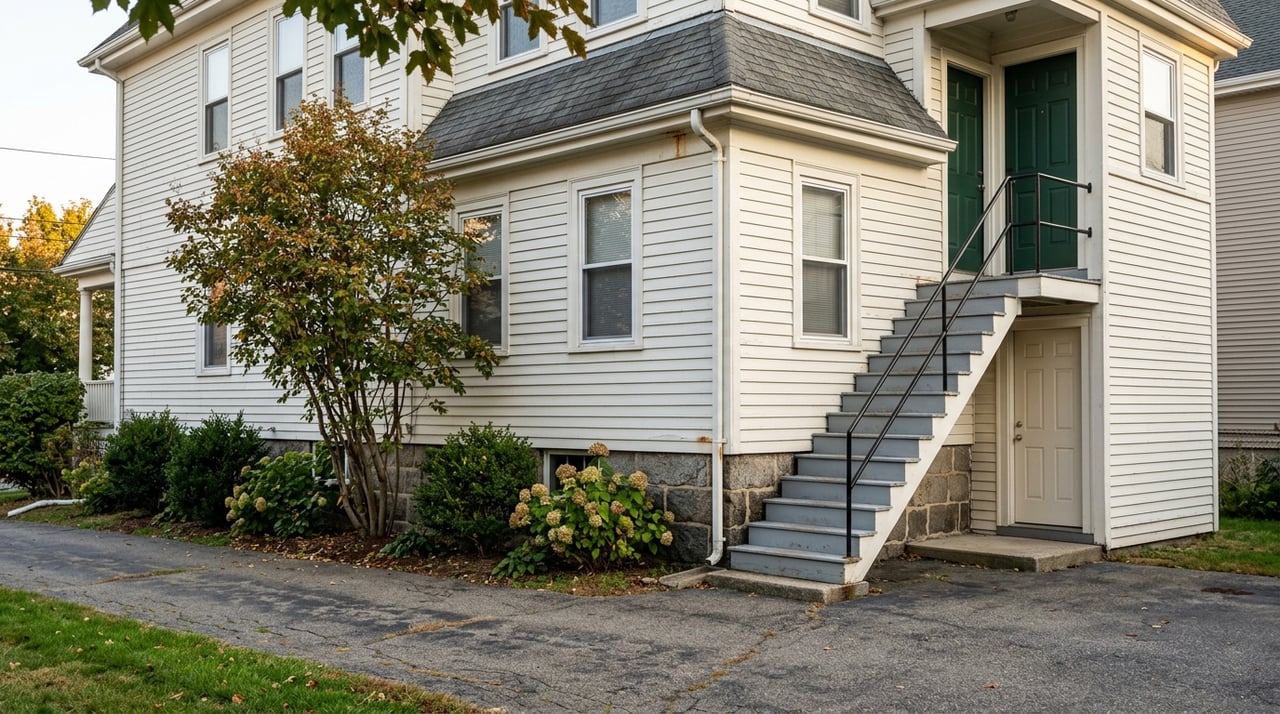
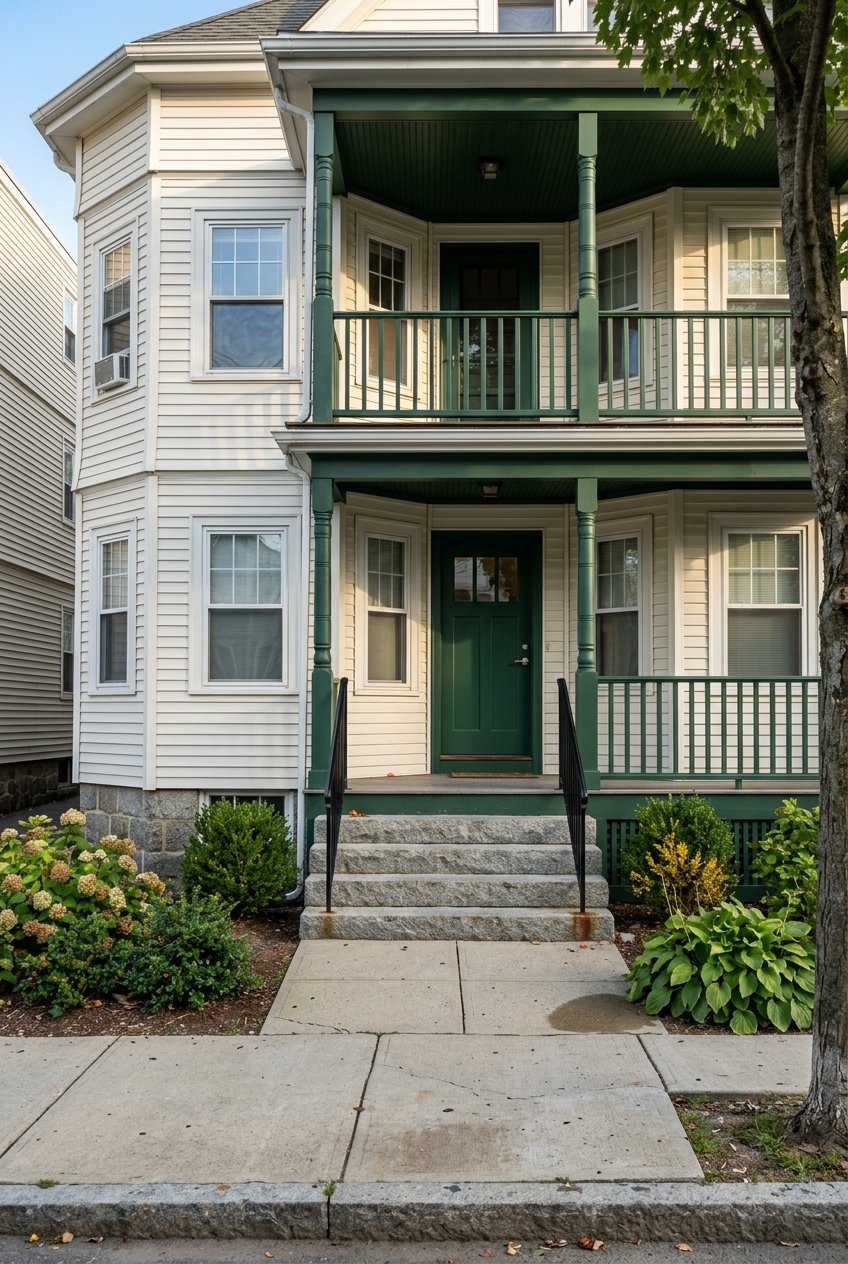
Providence also has a housing stock that is older and more varied than many markets. The city’s planning and housing documents note that most structures are more than 80 years old, more than 83% were built before 1979, nearly 60% of units were built before 1950, and 44.6% of units are in two- and three-family buildings.
That matters because single-family, condo, and multi-family properties are not priced the same way, even on nearby streets. Condition, renovation level, unit layout, utility setup, and income potential can all affect value. A well-kept two-family and a dated single-family may attract different buyers and need completely different pricing logic.
Tie pricing to condition and disclosures
In Providence, prep work and pricing should be connected from day one. Rhode Island law requires sellers to provide a written disclosure before signing a transfer agreement and to state deficient conditions they actually know about. The disclosure form covers issues such as the roof, basement, structural conditions, heating, plumbing, sewage, zoning, flood plain, wetlands, rental income, and lead paint.
For homes built before 1978, lead-paint disclosure is especially important. The law also requires disclosure of any lead inspection report in the seller’s possession. Since many Providence homes are older, this is not a side issue. It can affect buyer confidence, inspection results, and how aggressively your home should be priced.
Older homes need a realistic condition review
Providence housing strategy documents identified common issues in older homes, including lead paint mitigation needs, electrical issues, and ventilation problems. That does not mean every older home has these problems. It does mean buyers and inspectors may look more closely, especially if the home shows deferred maintenance.
A pre-listing condition review can help you decide what needs attention before launch. If you already know about roof, plumbing, electrical, or unfinished project issues, those should be part of the pricing conversation. Buyers often mentally subtract repair costs, and sometimes they subtract more than the actual cost if the home feels uncertain.
Price for likely buyer objections
A smart list price reflects more than what you hope to net. It should also reflect the likely buyer reaction to your home’s condition, features, and repair profile. If the home needs updates or has known defects, the pricing strategy should account for those costs instead of pretending they do not exist.
This is where a numbers-forward approach helps. Rather than guessing, you can weigh the probable cost to cure key issues, compare your home to nearby sold and pending listings, and choose a price that fits the market you are actually entering.
Build a digital-first marketing plan
Even in a local market like Providence, your listing launch should start online. According to NAR’s 2025 data, 52% of buyers found the home they purchased online, and 81% said listing photos were the most useful feature in their search. That makes photography, image order, and first-week visibility major parts of your selling strategy.
If you want strong results, the launch should feel coordinated from the start. That includes professional photography, a strong lead image, clear listing remarks, MLS exposure, and early distribution through email and social channels. In many cases, your first few days on the market will tell you whether the price and presentation are aligned.
The first 72 hours matter most
When a listing goes live, buyers who have been waiting for the right home often see it quickly through saved searches and MLS alerts. That early traffic creates your first real market test. If views, saves, showings, or inquiries are soft, the issue may be price, photos, presentation, or a mix of all three.
Because Providence homes can move quickly when positioned well, waiting too long to respond can cost momentum. A strong marketing plan should include a clear review point early in the listing period so you are not guessing about next steps.
Staging can improve response
Staging is not just about making a home look nice. NAR’s 2025 staging report found that 83% of buyers’ agents said staging made it easier for buyers to visualize a property as their future home. The same report found that 29% said staging increased the dollar value offered by 1% to 10%, and 49% said staging reduced time on market.
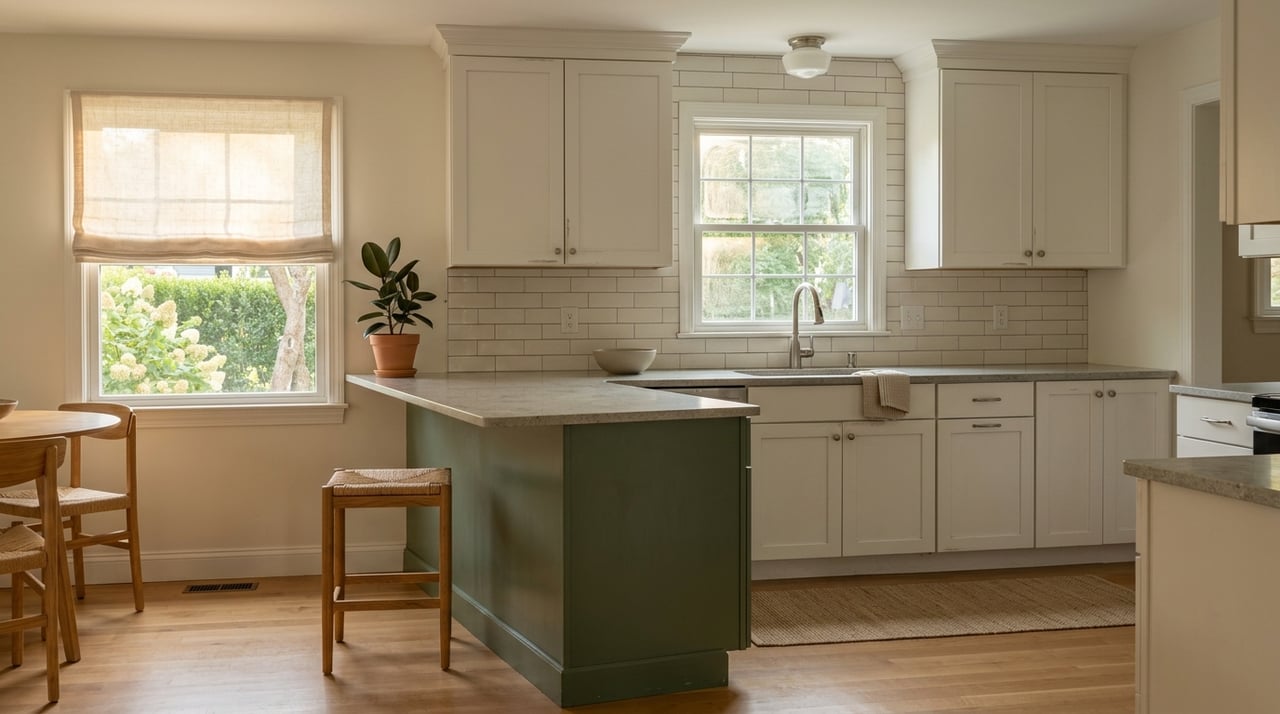
In Providence, where presentation can influence whether a home reaches the top or middle of its pricing range, that matters. You do not always need full-scale staging. Sometimes the right plan is selective furniture edits, cleaner sightlines, brighter rooms, and better photo flow.
Open houses support the strategy
Open houses can still help, but they should not be your main plan. NAR’s 2025 buyer survey found that only 4% of buyers found the home they purchased from a yard sign or open-house sign, and 5% visited an open house and met the agent.
That means open houses are best used as a support tool. They can increase exposure, collect buyer feedback, and help test whether your pricing and presentation match the market. But they work best when the online launch is already doing its job.
Know when to adjust price
If your home is not getting traction, the answer is not always to wait it out. NAR pricing guidance suggests testing the market for about two weeks, watching pending sales and days on market, and using buyer feedback to see whether the home is priced inside the active buyer range.
If a reduction is needed, timing and size matter. NAR’s guidance notes that a 2% to 5% price cut can increase showings and generate offers, and that a midweek reduction may help the listing reappear in agents’ weekend hot sheets. Pricing too aggressively from the start can reduce showings before buyers ever step inside.
Watch these early warning signs
If you are listed and not seeing movement, pay attention to patterns like these:
- Strong online views but few showings
- Showings with no offers or repeated price feedback
- Buyer comments focused on condition versus nearby options
- New competing listings entering at similar or better value
- Pending sales nearby that suggest your price is above the active market range
A strategic adjustment is not a failure. In many cases, it is how you reconnect the listing with the right buyer pool before the home becomes stale.
What to ask before you list
If you are hiring an agent to help you sell in Providence, focus on the plan, not just the suggested price. A higher list price can sound appealing, but it does not help if it slows traffic or leads to larger reductions later.
Ask questions that show whether the strategy is grounded in local numbers and a real launch process:
- Which recent sold, pending, and active comps are being used?
- How are adjustments being made for size, location, condition, amenities, and property type?
- What is the plan for photography, photo order, listing copy, MLS timing, email, and social promotion?
- Which prep items are essential, and which are optional for your submarket?
- Are there disclosure or inspection issues to handle before launch, especially if the home was built before 1978?
- If the home does not get traction, when will the price be reviewed and how will that decision be made?
A strategic Providence listing plan
The strongest Providence selling strategy usually comes down to three things. Price to the exact neighborhood and property type. Handle obvious condition concerns early. Launch with a digital-first marketing plan and review performance quickly.
That approach gives you the best chance to attract serious buyers, protect your momentum, and make confident decisions if the market response is softer than expected. In a city as neighborhood-driven as Providence, strategy beats guesswork every time.
If you want a clear pricing conversation, a practical prep plan, and a launch strategy built around real numbers, Herson Martinez can help you map out the smartest next step for your Providence sale.
FAQs
How should you price a home in Providence, RI?
- You should base the price on recent sold, pending, and active comparable homes in your immediate neighborhood or submarket, while also adjusting for property type, condition, layout, and upgrades.
Why does neighborhood matter when selling a Providence home?
- Providence values vary widely by neighborhood, so buyers compare your home to nearby alternatives more than to the citywide average.
What disclosures are required when selling a home in Rhode Island?
- Rhode Island requires sellers to provide a written disclosure before signing a transfer agreement and to disclose deficient conditions they actually know about, including items like roof, basement, plumbing, zoning, flood plain, and lead paint.
Should you get a pre-listing inspection for an older Providence home?
- A pre-listing inspection can help uncover issues such as roof, plumbing, or electrical concerns before launch, which can make pricing and repair decisions more strategic.
How important are listing photos when marketing a Providence home?
- Listing photos are very important because NAR’s 2025 data found that 81% of buyers viewed photos as the most useful feature in their home search.
What should you do if your Providence listing is not getting offers?
- You should review showing activity, buyer feedback, nearby pending sales, and your days on market quickly, then decide whether the photos, presentation, or pricing need to be adjusted.